
DISPONIVEL EM https://vivaoprec323184287.wordpress.com/a-terra-para-quem-ela-trabalha/
PT (english below)
A TERRA PARA QUEM ELA TRABALHA um conjunto de três documentários sonoros, em torno das memórias de antigas trabalhadoras rurais e mulheres que pertenceram à Cooperativa Agrícola Flor do Alentejo, de Vale de Vargo, no Concelho de Serpa, e da Cooperativa de Casebres, em Alcácer do Sal. Os episódios abordam o trabalho no campo antes do 25 de Abril – precariedade e luta das trabalhadoras -, a reforma agrária e a constituição das Unidades Colectivas de Produção – organização das trabalhadoras e desenvolvimento local – e o desmantelamento das cooperativas. Olham também para o presente da paisagem e da agricultura do Alentejo, para a desertificação, as culturas intensivas de olival e os fenómenos de emigração e imigração no território.
30 minutos de duração por episódio (aprox.)
Ficha artística e técnica:
Protagonistas: Ana Ascensão Batista, Ana Batista Calado, Ana Lameira, Elisa dos Santos Almeida e Hermínia Custódia Vicente.
Outras vozes: Ana Cachola, Ana Mendes, Ana Rita Tereso, António Almeida Carrasco, Bárbara Camilo, Belmira Mouteira, João Ferrador, Manuela Calado e Drª Regina Corado.
Entrevistas, dramaturgia, texto e escolha musical: Isabel Mões
Sonoplastia, edição e mistura: Rui Dâmaso
Produção e comunicação: Gabriela Frade
Apoio às entrevistas em Casebres: Arminda Mões
Apoio às entrevistas em Vale de Vargo: João Ferrador
Design gráfico de comunicação: Clara Barbacini
Gravação em estúdio: Fumaça
Excertos musicais: Papoilas do Enxoé, As Moçoilas, GAC – Grupo de Acção Cultural – Vozes na Luta e Coro Popular o Horizonte é Vermelho
Arquivos: Arquivo Histórico da Presidência da República e Centro de Documentação e Arquivo da Reforma Agrária – Arquivo Municipal de Montemor-o-Novo.
Apoio institucional: Dgartes – Ministério da Cultura
Parcerias: Viva o PREC, Junta de Freguesia de Vale de Vargo, Junta de Freguesia de São Martinho e ADD- Arquivo dos Diários.
Apoio: Fumaça
Agradecimentos: Ana Ascensão Batista, Ana Batista Calado, Ana Lameira, Elisa dos Santos Almeida, Herminia Custódia Vicente, DrªRegina Corado, António Almeida Carrasco, Ana Cachola, Ana Mendes, Bárbara Camilo, Belmira Mouteira, Ana Rita Tereso, João Ferrador, Arminda Mões, Maria João Fura, Teresa Pires, Junta de Freguesia de Vale de Vargo, Manuel António Farrombão, Junta de Freguesia de São Martinho, António Barata – Viva o PREC e Margarida David Cardoso e equipa – Fumaça.
TRANSCRIÇÕES COMPLETAS DE TODOS OS EPISÓDIOS AQUI: em breve


ENCONTRO PÚBLICO: Com presença da D. Herminia Custódia Vicente da Cooperativa Agricola de Casebres, Alcácer do Sal e da Drª Regina Corado da CRARA - Comissão Revolucionária de Apoio à Reforma Agrária.


PT (english below)
EU VIM DE LONGE
Os homens e as mulheres estrangeiras na reforma agrária.
Quero contar a história destas quatro pessoas e o seu olhar exterior sobre um Portugal entre 1975 e 1977. Perceber quem eram esses jovens estrangeiros, o que os fez vir para o nosso país, alguns deles para trabalhar longos meses nas cooperativas agrícolas no sul do país. Quero escutar como revisitam criticamente e emocionalmente os acontecimentos passados 50 anos. Passamos obrigatoriamente por alguns acontecimentos ocorridos durante o PREC (processo revolucionário em curso), e por depoimentos daqueles que fizeram parte desse processo fundamental da nossa democracia.
Liana Marchetti (Italy), Johen Maria Bustorff (Germany), Petra Fichtner (Germany) and Augusto Costa (Brazil) are the protagonists of «Eu vim de longe», the narrative podcast that tells the Revolutionary Process in Progress in the voice and memories of four foreigners who were and worked in Portugal during this period, cooperating in the construction of democracy. Who are they? Why did they come? What do they tell us today, almost fifty years later?
🎧 Ouvir todos os documentários no Firstory
🎧 https://gerador.eu/eu-vim-de-longe-o-podcast-narrativo-que-conta-o-prec-na-voz-de-quatro-estrangeiros/
Liana Marchetti (Itália) - Já Cheguei à Revolução
Liana Marchetti nasceu em 1943, em Menaggio, no Lago di Como, Itália. Em 1974, tinha 31 anos e foi acompanhando a revolução em Portugal, um país que, nessa altura, lhe era quase desconhecido, com exceção de uma ou outra referência literária e musical. Em 1975, recém divorciada, decide vir de férias para Portugal, sozinha, contrariando o seu pai, naquela que foi, também, a sua própria revolução. Acompanhava as manifestações e rapidamente conheceu pessoas, alguns estrangeiros que estavam por cá e vários portugueses. Aprende português, essa língua estranha cheia de “chs” sobretudo pela leitura do jornal Avante e acompanha o 25 de novembro. Sente o medo e a confusão quando vê alguns dos heróis de Abril serem presos. Acaba depois por se juntar à reforma agrária, trabalhando em algumas Cooperativas, como a 1º de Maio em Avis, onde ajuda na creche e em pequenos trabalhos agrícolas ao lado de outras mulheres portuguesas, e mais tarde no sul de Portugal onde dá aulas de alfabetização. Depois de vários meses abandona a reforma agrária por conta de um episódio que não foi bem visto pelas outras mulheres. Ficou a residir em Portugal, graças à Revolução.
TRANSCRIÇÃO COMPLETA: https://drive.google.com/file/d/1p6TQSCK4P1Wc4pZhYP_eCNyAy7UP33iK/view?usp=drive_link
Liana Marchetti was born in 1943 in Menaggio, on Lake Como, Italy. In 1974, she was 31 years old and followed the revolution in Portugal, a country that at that time was almost unknown to her, with the exception of a few literary and musical references. In 1975, recently divorced, she decided to go on holiday to Portugal alone, against her father's wishes, in what was also her own revolution. She followed the demonstrations and quickly met people, some foreigners who were here and several Portuguese. She learned Portuguese, that strange language full of "chs", mainly by reading the newspaper Avante and followed the 25th of November. She felt the fear and confusion when she saw some of the heroes of April being arrested. She ended up joining the agrarian reform, working in some Cooperatives, such as 1º de Maio in Avis, where she helped in the nursery and with small agricultural jobs alongside other Portuguese women, and later in the south of Portugal where she taught literacy classes. After several months, she abandoned the agrarian reform due to an episode that was not well received by the other women. She remained living in Portugal, thanks to the Revolution.
Jochen Maria Bustorff (Alemanha) - Luto e Luta
Jochen Maria Bustorff cresceu numa Hamburgo debaixo de cinzas no pós-guerra. Com pouco interesse em fazer carreira, abandona os estudos de pintura, arranja empregos ocasionais e viaja pelo sul da Europa. Vem pela primeira vez a Portugal em 1971, por ter uma namorada portuguesa e regressa algumas vezes ainda antes do 25 de abril. Recebe a notícia da Revolução de Abril em Hamburgo e através de uma bolsa de estudos para estudar arte popular vem para Portugal em 1975, mais concretamente para o Porto. É no Porto à porta da prisão de Custóias, numa manifestação em solidariedade com os civis e militares presos na sequência do 25 de Novembro, que morre, atingido por disparos da GNR, um manifestante alemão, o seu amigo, Gunter Bruns. Esta morte vai abalá-lo profundamente e quando descobre o diário Bruns, com os apontamentos das semanas que passou na Cooperativa Estrela Vermelha em Santiago do Cacém, resolve visitar a cooperativa e começa a interessar-se pela reforma agrária. Junta-se à Cooperativa A União Faz a Força e mais tarde à Estrela Vermelha, onde permanece cerca de dois anos, entre 1976 e 1977, realizando todo o tipo de trabalhos agrícolas e pertencendo inclusivamente, na primeira, à comissão de trabalhadores. Em 1977 é alvo de uma denúncia e procurado pela polícia, numa altura em que já está em marcha o desmembramento da reforma agrária, e deixa as Cooperativas e o Alentejo com um sabor agridoce, pois, como diz “Tinham sido os anos mais felizes da minha vida”.
TRANSCRIÇÃO COMPLETA: https://drive.google.com/file/d/17_hEMGwRSh0F0cyyrNDA6IKIqCyIm6oD/view?usp=drive_link
Jochen Maria Bustorff grew up in a post-war Hamburg under the ashes. With little interest in a career, he abandoned his painting studies, took odd jobs and travelled around southern Europe. He came to Portugal for the first time in 1971, because he had a Portuguese girlfriend, and returned a few times before the 25th of April. He heard about the April Revolution in Hamburg and, thanks to a scholarship to study folk art, came to Portugal in 1975, to Porto to be precise. It was in Porto, outside the Custóias prison, during a demonstration in solidarity with the civilians and military personnel arrested following the 25th of November, that a German protester, his friend Gunter Bruns, was killed by gunfire from the GNR. This death would deeply affect him and when he discovered Bruns' diary, with notes from the weeks he spent at the Red Star Cooperative in Santiago do Cacém, he decided to visit the cooperative and began to take an interest in agrarian reform. He joined the A União Faz a Força Cooperative and later the Estrela Vermelha, where he remained for two years, between 1976 and 1977, carrying out all types of agricultural work and even being a member of the workers' committee in the former. In 1977 he was the target of a complaint and was sought by the police, at a time when the agrarian reform was already underway, and he left the Cooperatives and the Alentejo with a bittersweet taste, because, as he said, “They had been the happiest years of my life”.
Petra Fichtner (Alemanha)- Mulheres
Chegou a Portugal pela primeira vez à boleia e de comboio com uma amiga em 1975. Petra Fichtner tinha 22 anos e vinha de Nuremberg, Alemanha. O objetivo principal desta primeira visita era recuperar o seu carro que o namorado, a trabalhar na Cooperativa Che Guevara em Alvalade do Sado, tinha trazido para Portugal. Rapidamente percebeu que o carro era um bem precioso na cooperativa porque existiam pouco meios de transporte para mercadorias. Nessa primeira visita, por duas semanas ajudou em pequenos trabalhos no campo e foi reparando nas desigualdades do trabalho feito pelas mulheres e pelos homens. Dá conta do choque entre os estrangeiros do norte da Europa e dos trabalhadores alentejanos e também das dificuldades dos mesmos pela manutenção das cooperativas e do pleno emprego. Voltou no ano seguinte, em 1976, para a cooperativa e continuou a visitar Portugal e os amigos portugueses que fez nesse tempo. Aprendeu português pela necessidade de se manter a par do que ia acontecendo e ainda hoje, apesar de reformada, continua a sua luta, sobretudo pelos direitos das mulheres.
TRANSCRIÇÃO COMPLETA: https://drive.google.com/file/d/1EzTzLSjtfgWENN8mylcHX36P-4FbRZrR/view?usp=drive_link
She first arrived in Portugal hitchhiking and by train with a friend in 1975. Petra Fichtner was 22 years old and had come from Nuremberg, Germany. The main objective of this first visit was to retrieve her car, which her boyfriend, who worked at the Che Guevara Cooperative in Alvalade do Sado, had brought to Portugal. She quickly realized that the car was a valuable asset in the cooperative because there were few means of transport for goods. During this first visit, she helped out with small jobs in the fields for two weeks and noticed the inequalities in the work done by women and men. She describes the clash between foreigners from northern Europe and workers from Alentejo and also the difficulties they had in maintaining the cooperatives and full employment. She returned the following year, in 1976, to the cooperative and continued to visit Portugal and the Portuguese friends she had made during that time. She learned Portuguese out of the need to keep up to date with what was happening and even today, despite being retired, she continues her fight, especially for women's rights.
Augusto Costa (Brasil) - Foi um acaso ou talvez não
O estudante de teologia, Augusto Costa, vivia no estado da Bahia, no Brasil. Era marxista, mas não estava associado a nenhum partido, participando em grupos de discussão com outros estudantes católicos progressistas. O seu engajamento era sobretudo social, trabalhando em comunidades muito desfavorecidas. Por tentar expor alguns dos crimes da ditadura brasileira acabou por se ver desvinculado da proteção da Igreja e por ter de fugir de barco para a Europa pelo risco de ser preso. Primeiro para Itália, onde trabalhou alguns meses, passando por outros países e chegando a Lisboa em 1976, com o intuito de regressar de novo ao Brasil. Por um acaso, ou talvez não, acaba por conhecer uns jovens que lhe falam no trabalho nas cooperativas do Alentejo e assim parte para a Estrela Vermelha, onde a troco de trabalho tem estadia e comida. Juntou-se aos cerca de 30 estrangeiros, sobretudo alemães e dinamarqueses que ajudavam a Cooperativa naquela altura e presenciou o choque de culturas, por um lado os estrangeiros que tomavam banho nus, dormiam uns com os outros, e os portugueses que ficavam chocados com esta forma de estar. Augusto relata que foi considerado várias vezes subversivo por conversar com as mulheres sobre outras realidades familiares, sobre igualdade, sobre violência doméstica e por dar aulas de alfabetização. Chocava-o um comunismo que permitia uma relação familiar muitas vezes conservadora e abusiva. Por outro lado, sentiu-se em casa, aprendeu a gostar da vida no campo e a admirar a atitude silenciosa e contemplativa dos alentejanos. Mais tarde trabalha na cooperativa Che Guevara, de onde é expulso em 1977.
TRANSCRIÇÃO COMPLETA: https://drive.google.com/file/d/1PRbL80jVpzCliUzyPEeEaNs9sUeAlK1g/view?usp=drive_link
Theology student Augusto Costa lived in the state of Bahia, Brazil. He was a Marxist, but was not affiliated with any political party, and participated in discussion groups with other progressive Catholic students. His involvement was mainly social, working in very disadvantaged communities. For trying to expose some of the crimes of the Brazilian dictatorship, he ended up being cut off from the protection of the Church and having to flee by boat to Europe because of the risk of being arrested. First to Italy, where he worked for a few months, passing through other countries and arriving in Lisbon in 1976, with the intention of returning to Brazil. By chance, or perhaps not, he ended up meeting some young people who told him about working in the cooperatives in Alentejo and so he left for Estrela Vermelha, where in exchange for work he was given accommodation and food. He joined the 30 or so foreigners, mainly Germans and Danes, who were helping the Cooperative at the time and witnessed the clash of cultures: on the one hand, the foreigners who bathed naked and slept with each other, and the Portuguese who were shocked by this way of life. Augusto reports that he was often considered subversive for talking to women about other family realities, about equality, about domestic violence and for giving literacy classes. He was shocked by a communism that allowed family relationships that were often conservative and abusive. On the other hand, he felt at home, learned to enjoy life in the countryside and admire the silent and contemplative attitude of the people of Alentejo. Later, he worked at the Che Guevara cooperative, from which he was expelled in 1977.
FICHA ARTISTÍCA
Texto, dramaturgia, selecção musical e narração: Isabel Mões
Vozes actores: Céu Jesus, Luís Miguel Nunes e João Ferrador
Depoimentos: Ana Ascenção Batista, Francisco dos Santos, Fritzi Heuer, Renata Nentwig e Virginia Lopes
Extratos sonoros dos filmes DEUS PÁTRIA AUTORIDADE/BOM POVO PORTUGUÊS de Rui Simões /LEI DA TERRA do Grupo 0 (gentilmente cedidos pela Real Ficção
Efeitos sonoros e edição: Margarida Pinto e Rui Dâmaso
Gravações em estúdio: Margarida Pinto
Apoio à produção, comunicação e assessoria de imprensa: Gabriela Frade
Design gráfico de comunicação: Clara Barbacini
AGRADECIMENTOS: Rodrigo Martins, José Rodrigues- Associação Zeca Afonso, Rodrigo Augusto, Lurdes Machado, Leya Fonseca, Victor Carvalho, Nina Mões, Sarah Adamopoulos, João Ferrador e alunos do Grupo de Teatro 7; Carolina Xavier de Sousa, Patrícia Mealha, Rafael Melo, Céu Jesus e Luís Miguel Nunes, Ana Filipa Ascenção Batista, Ana Calado, Manuela Calado, Virginia Lopes, Isabel Condeças, Francisco dos Santos, Ana Mendes, António Cabra e Fátima Cabra, Bento César, Barbara Camilo, Maria Belmira, Fritzi Heuer, Renata Nentwig, Fátima Ribeiro - Videoteca Municipal de Lisboa, Arquivo Histórico da Presidência da República, Teresa Pires - Junta de Freguesia de Vale de Vargo, Fundação Mário Soares e Maria Barroso , Partido Comunista Português. e Sindicato Ver.di.
Projecto financiado pela República Portuguesa - Cultura / Direção-Geral das ArtesParceria: ADD- Arquivo dos Diários e GeradorApoios: Ephemera - Associação Cultural e Real Ficção
ENCONTRO PUBLICO: Com a presença de Jochen Maria Bustorf. Moderação de Filipe Reis e Paulo Raposo.
Projecto financiado pela República Portuguesa - Cultura / Direção-Geral das ArtesParceria: ADD- Arquivo dos Diários e GeradorApoios: Ephemera - Associação Cultural e Real Ficção
ENCONTRO PUBLICO: Com a presença de Jochen Maria Bustorf. Moderação de Filipe Reis e Paulo Raposo.


PROCESSO
JOCHEN MARIA BUSTORFF - MAIO 2024, POMBAL
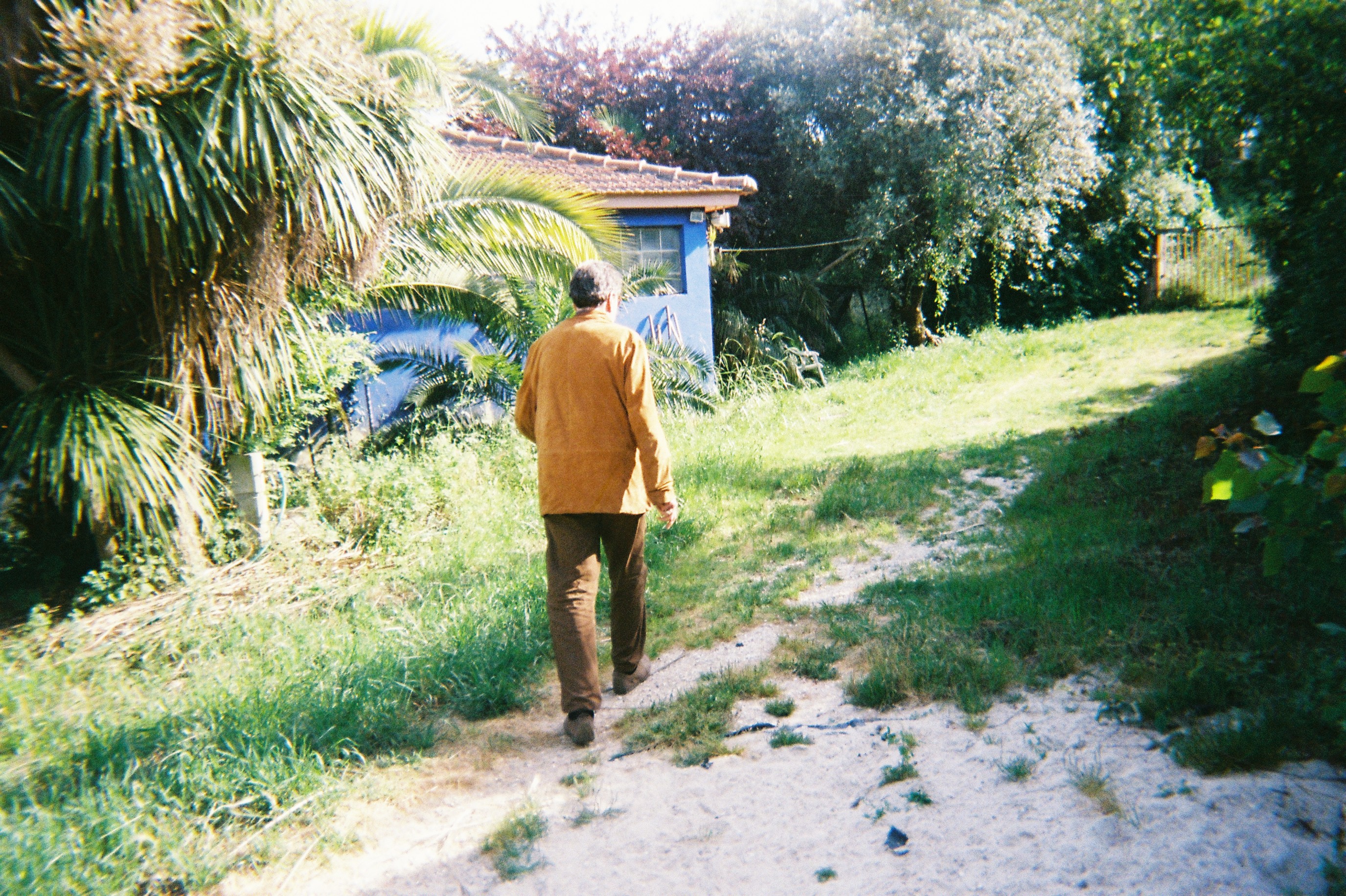
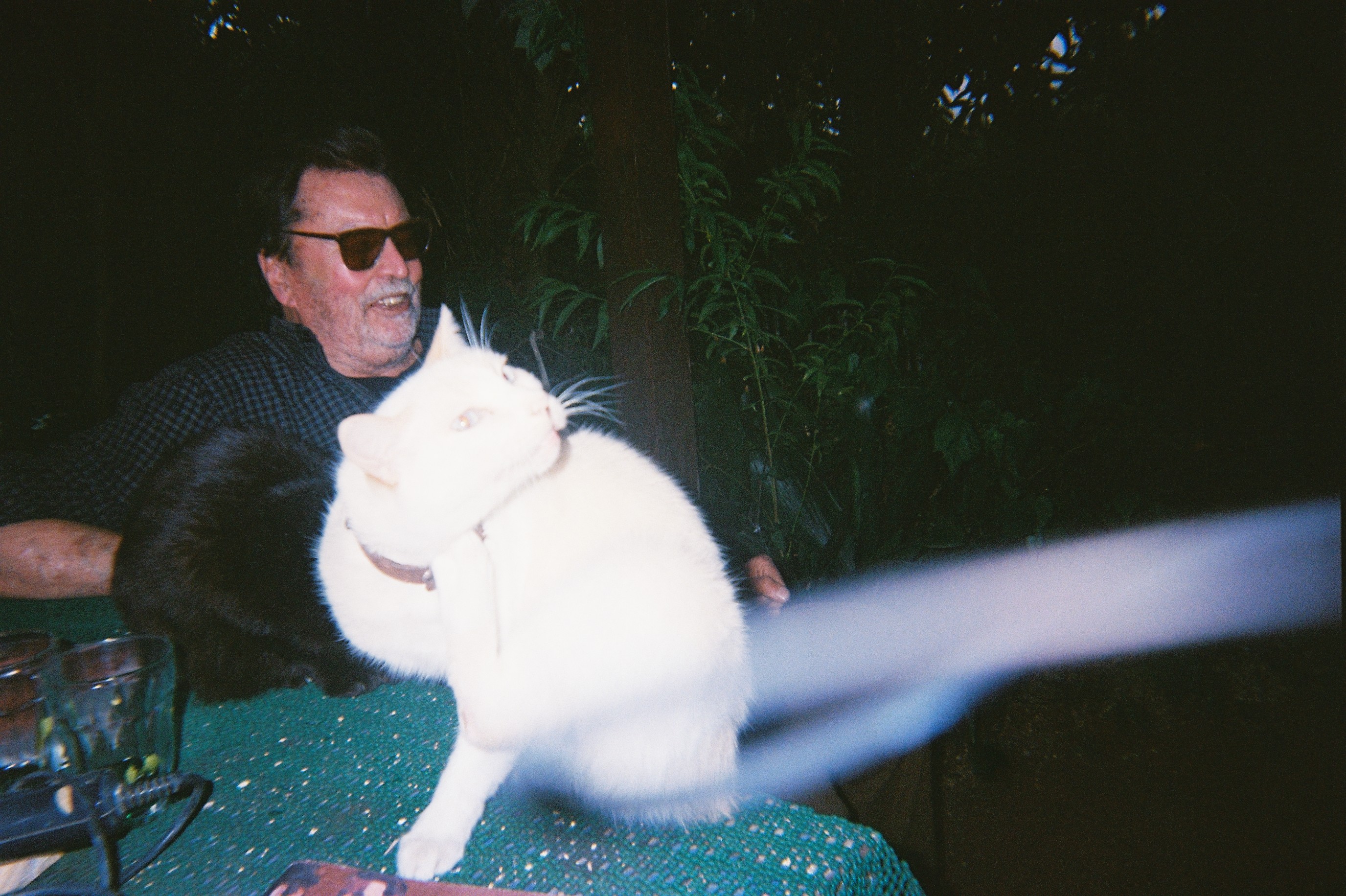

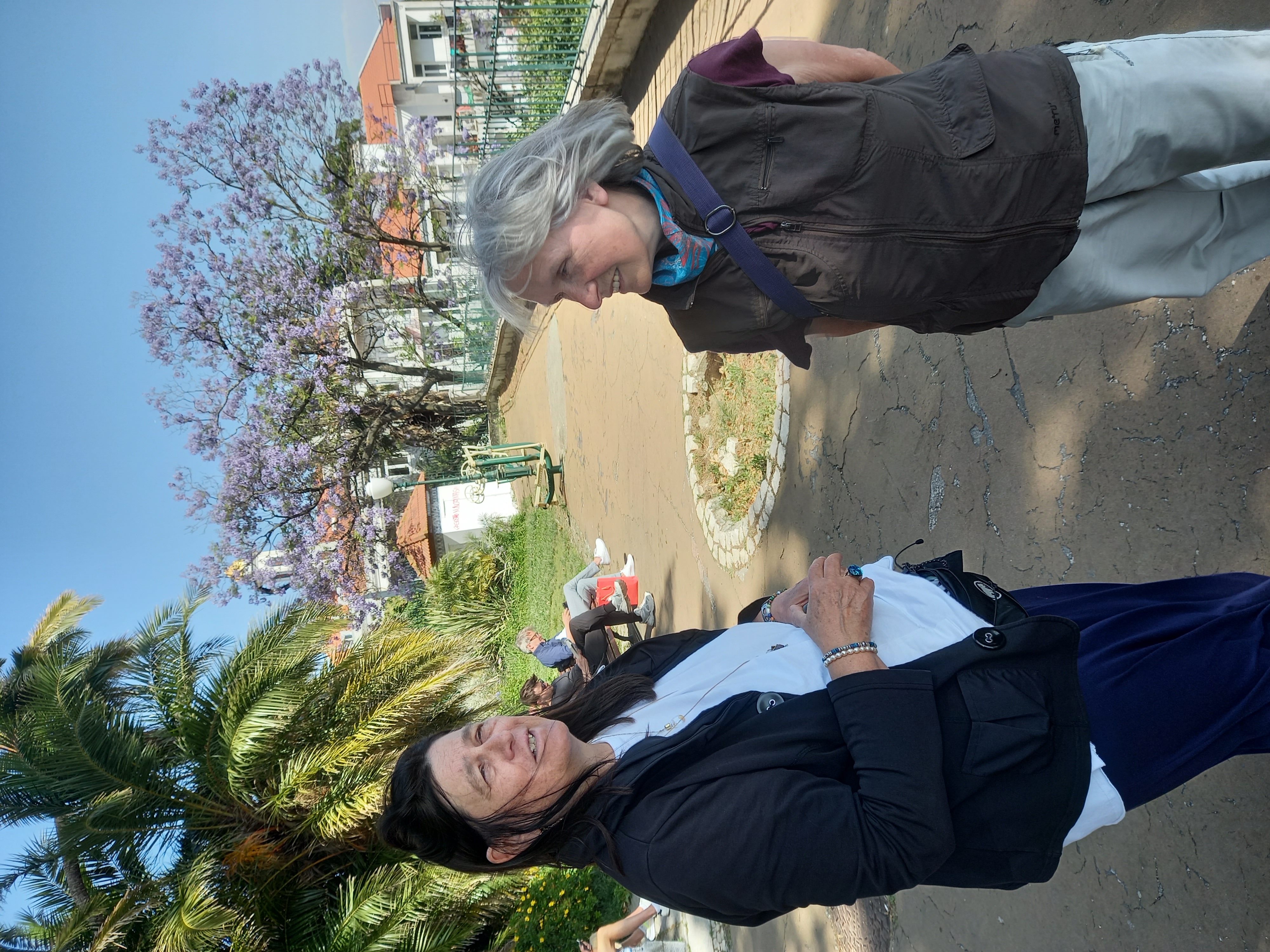
PETRA FICHTNER (ESQUERDA) E RENATA (DIREITA) - MAIO DE 2024, LISBOA
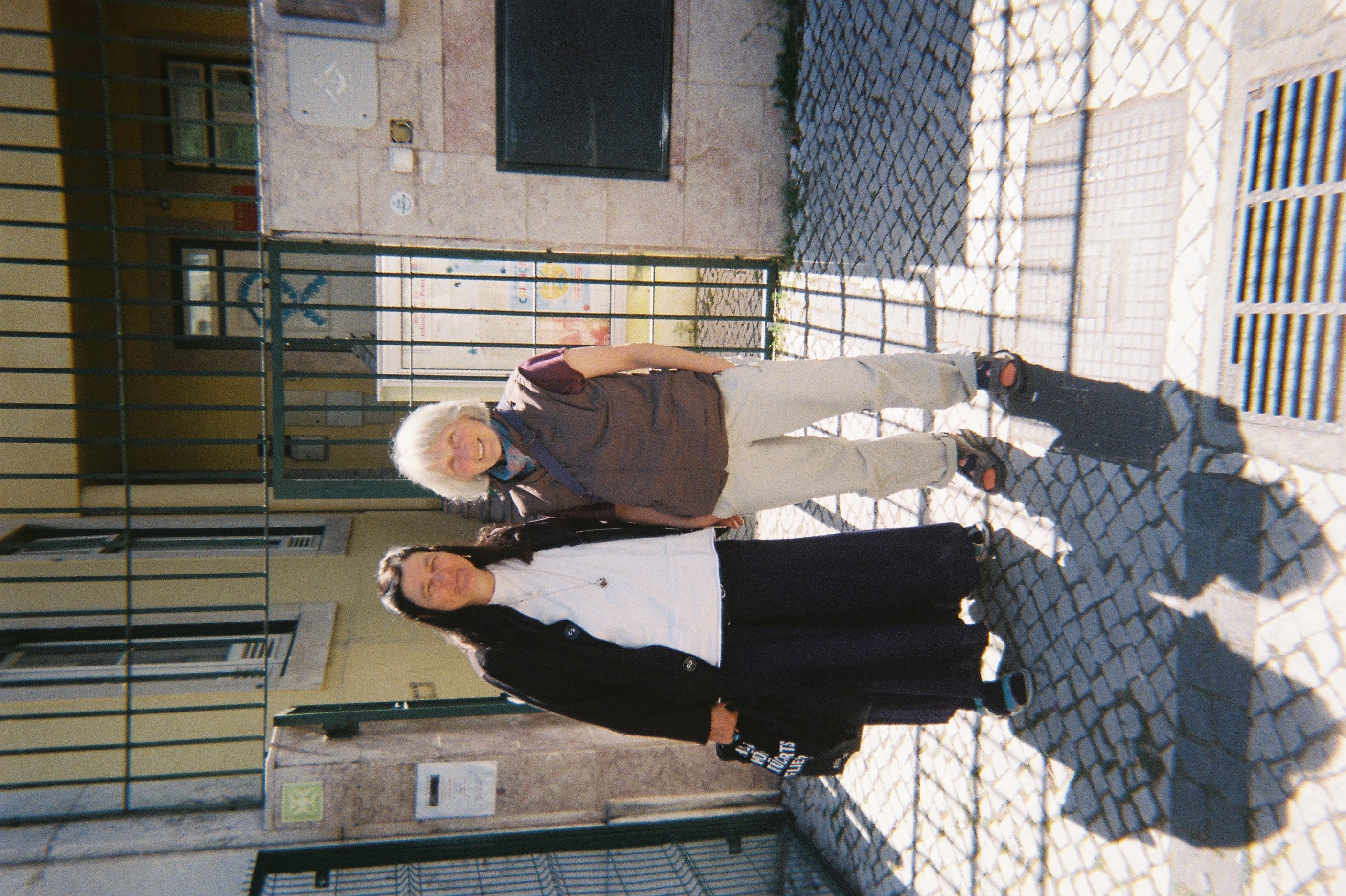


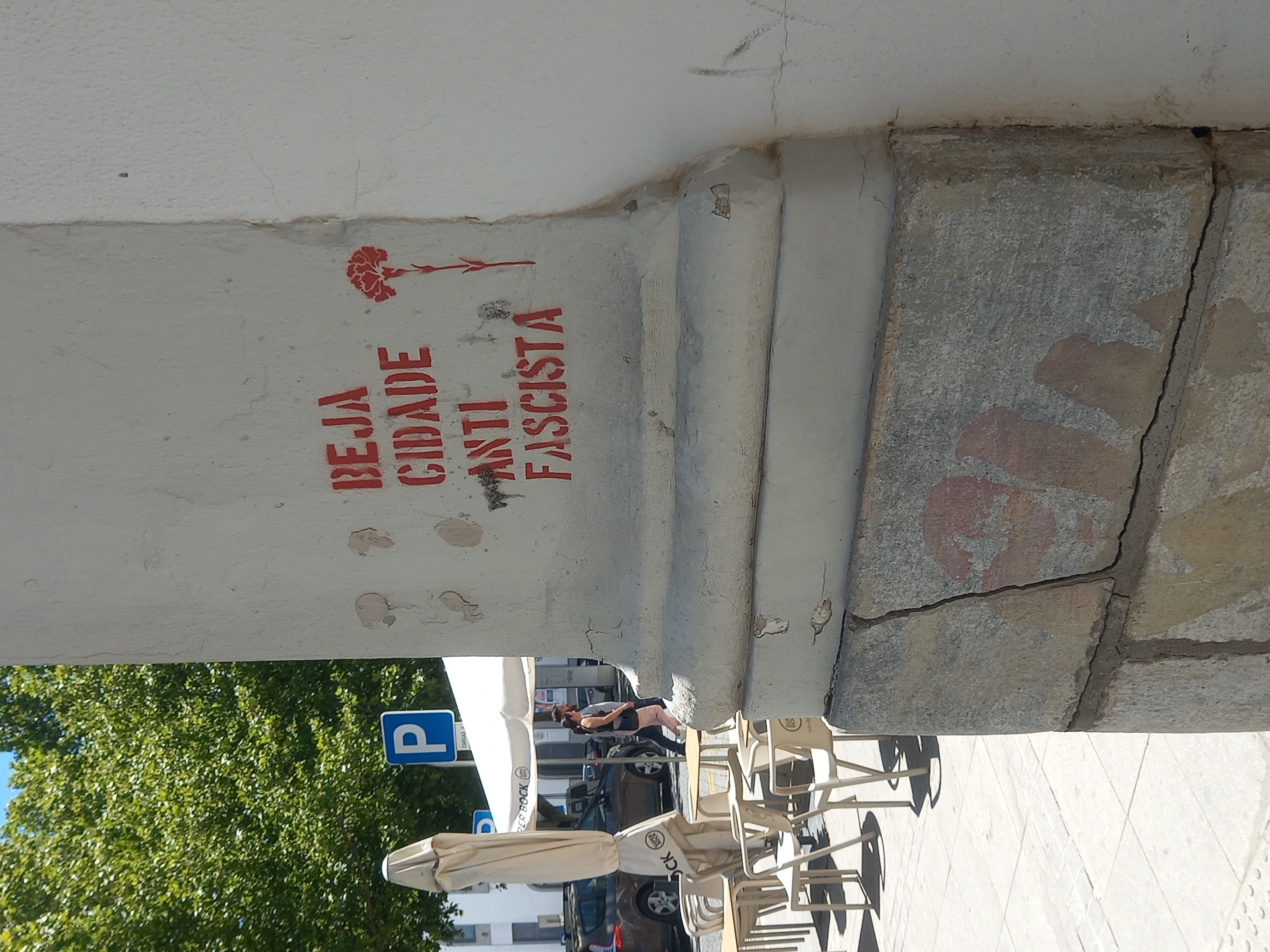
ENCONTRO bEJA MULHERES DO SINDICATO VER.DI - JUNHO 2024


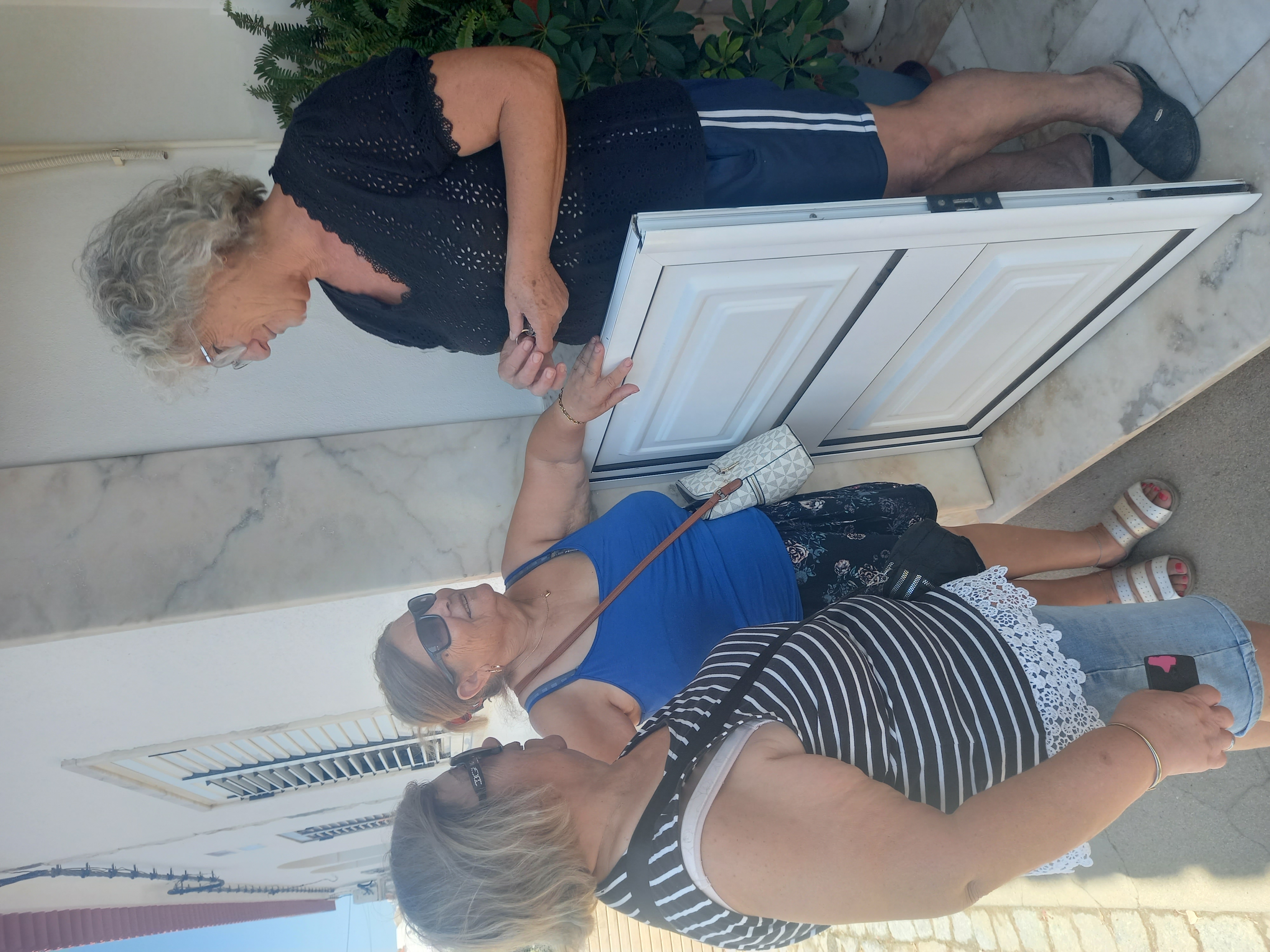
VALE DE VARGO - ALENTEJO - AGOSTO DE 2024


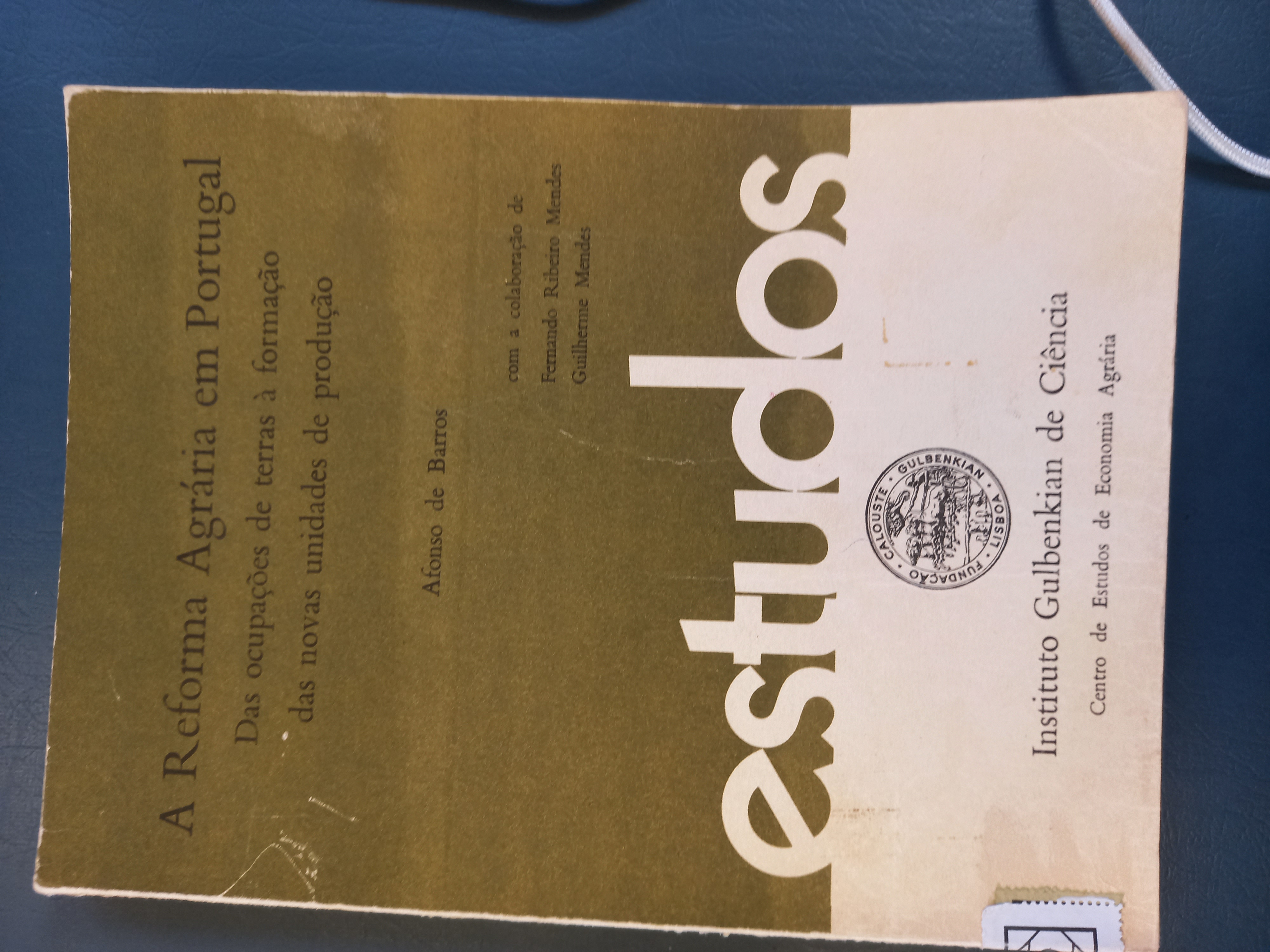
LEITURAS (sintese)


PRESS
JORNAL EXPRESSO: O mundo a seus pés: Os estrangeiros que vieram viver a Reforma Agrária. Um podcast especial com a atriz e dramaturga Isabel Mões. da jornalista Ana França. 21-04-2025
https://expresso.pt/podcasts/o-mundo-a-seus-pes/2025-04-21-os-estrangeiros-que-vieram-viver-a-reforma-agraria.-um-podcast-especial-com-a-atriz-e-dramaturga-isabel-moes-5b34c9f3